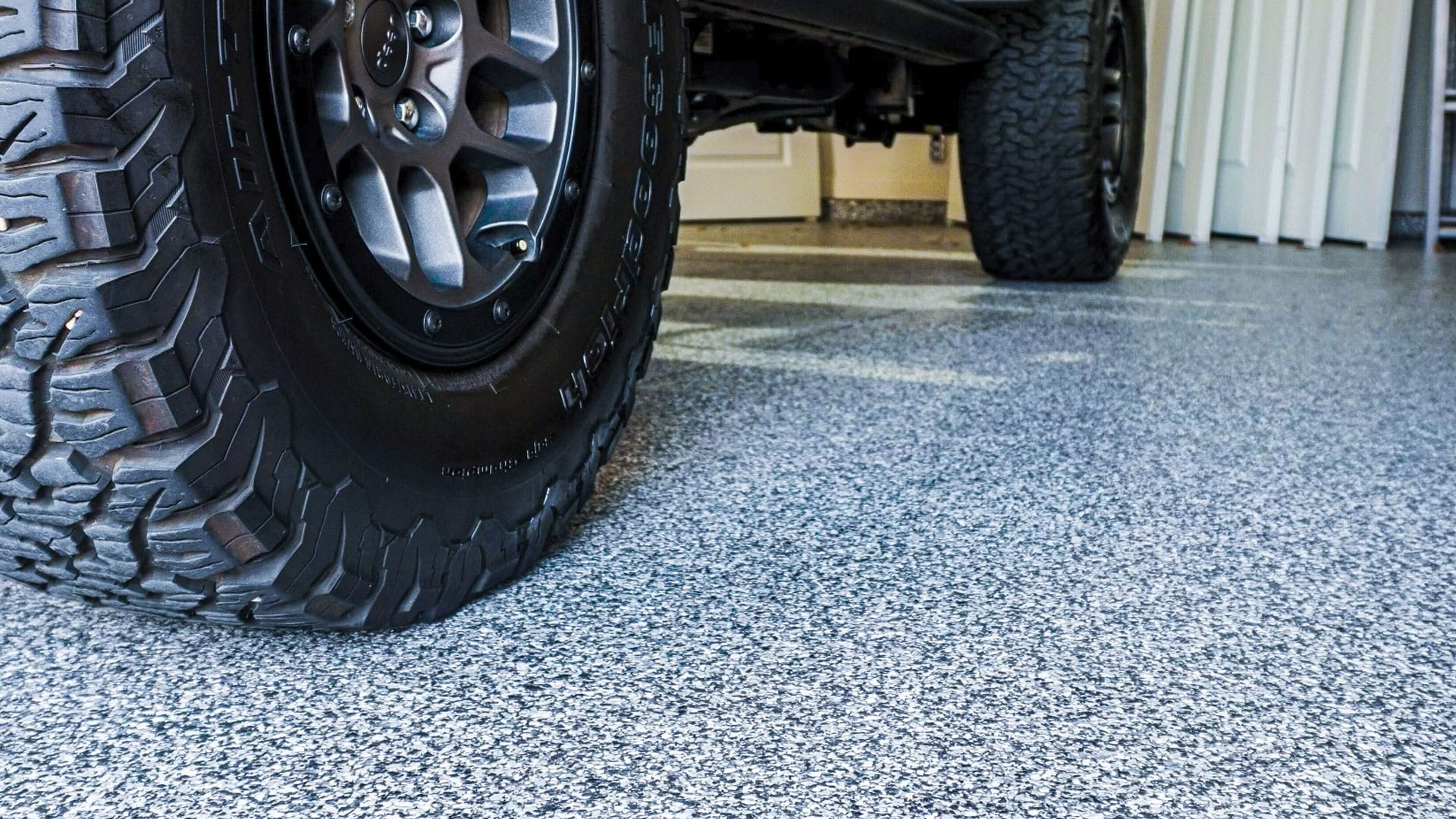
Why Epoxy Flake Flooring Is the Best Choice for High-Moisture Garages and Basements
Humidity, surprise storms, and below-grade spaces can be tough on concrete in Oklahoma City, OK. That is why many homeowners choose epoxy flake flooring for garages and basements that see damp air, tracked-in rain, and seasonal temperature swings. A flake system locks in protection with multiple coats, adds real traction underfoot, and withstands the daily wear that bare concrete or standard epoxy struggles to handle in wet conditions.
If you are comparing options, a great place to begin is understanding how the layers in a modern flake system work together. From the moisture-tolerant primer to the textured, decorative flakes and a tough topcoat, each step is designed to control moisture, protect the slab, and improve safety in the areas of your home that tend to get slick.
For a quick overview of benefits and design choices, you can explore epoxy flake systems in Oklahoma City and see how they fit common garage and basement needs across the metro.
What Makes Epoxy Flake Systems Different
Epoxy flake systems are built as a stack of purpose-driven layers rather than a single film of coating. A professional crew prepares the concrete by grinding to open the surface and remove contaminants. A moisture-tolerant primer helps reduce the risk of bubbles and poor adhesion caused by vapor moving through the slab. Then a pigmented epoxy base coat is applied.
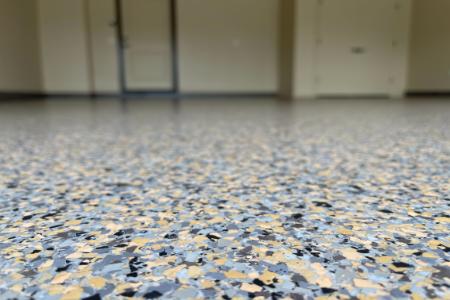
Colored vinyl flakes are broadcast into the wet base coat until rejection, which means the coat is saturated with flakes. This step creates a uniform texture that hides imperfections and adds bite for traction. After curing, loose flakes are scraped and vacuumed away. A clear topcoat seals the surface and locks the texture in place. Many installers use a polyaspartic or high-solids polyurethane topcoat because it cures fast, handles abrasion well, and resists hot-tire pickup common in garages.
Each layer has a job. The primer grabs the slab, the base coat bonds to the primer, the flakes create texture and design, and the topcoat seals everything from water and spills. Compared with a plain, glossy epoxy coating, the flake surface is more forgiving to scuffs, road grime, and small movements in the concrete that come with temperature and moisture changes.
Built for Moisture Resistance in Oklahoma City Garages and Basements
Garages and basements in Central Oklahoma see wide swings in humidity during spring storms and late summer heat. Concrete is porous and constantly exchanges moisture with the air and soil. When vapor pressure under the slab rises, a single-layer coating can blister. A flake system with proper prep and a moisture-tolerant primer reduces that risk by promoting strong adhesion and providing a thicker, more resilient system build.
In basements, the stakes are higher. Below-grade spaces deal with cool surfaces and warm, humid air. That is a recipe for condensation on bare concrete, which leads to dark spots, chalking, and slippery film. The sealed, textured face of a flake system makes it harder for moisture and fine dust to sit on the surface. It also improves traction when you walk in with wet shoes or bring in a dehumidifier and laundry baskets.
- Darkening or damp patches that change with the weather
- White, powdery residue on the surface
- Musty odors after rain or large swings in humidity
- Peeling paint or soft, chalky sealer from old coatings
Always address active water leaks before coating any slab. A floor system controls vapor and surface moisture, but liquid water from plumbing or drainage issues must be fixed at the source to protect your home and the finish.
Performance Benefits That Outlast Humidity
Homeowners choose epoxy flake systems not only for looks, but also because they keep working when the weather is not cooperating. The texture and the chemistry both matter. Here are benefits that make a difference in Oklahoma City garages and basements year-round:
- Slip resistance when wet. The flake texture adds micro-edges that increase grip under water droplets and tracked-in mud.
- Stain and chemical resistance. Sealed systems resist road grime, lawn chemicals, motor oil, and household cleaners when wiped up promptly.
- Impact and abrasion durability. The multi-layer build tolerates dropped tools, rolling jacks, and regular traffic better than bare concrete.
- Appearance that hides wear. The flake blend camouflages dust, scuffs, and small chips, keeping the floor presentable between cleanings.
- Low maintenance. Routine sweeping and an occasional neutral cleaner keep the surface looking fresh without waxing or polishing.
For households that use the garage as a home gym or workshop, the flake texture provides a comfortable, confident footing. In basements that double as playrooms or craft areas, the sealed surface gives you a clean, dry feel even during humid weeks when the air conditioner and dehumidifier are working hard.
Local insight: Spring storms in Oklahoma City can drive sudden spikes in humidity. Keeping a dehumidifier set between 40 and 50 percent helps your flake system shed moisture and maintain traction.
Place a breathable floor mat by exterior doors to catch rain and red clay dust before they spreads across the floor.
How Flake Systems Compare in Wet Conditions
Bare concrete seems tough, but in practice it powders, stains, and becomes slick as moisture condenses on the surface. It absorbs spills quickly and leaves shadow stains that are hard to remove. Standard single-coat epoxy offers color and some protection, yet in humid or below-grade spaces the smooth film can become slippery and may show blisters where vapor pressure is high.
Epoxy flake systems perform better because the broadcast flakes break up the surface film and add controlled texture. The topcoat seals out liquids while allowing a slightly matte, micro-textured finish that holds traction in water. For garages that face prevailing winds or basements with cooler concrete, that combination gives you an immediate upgrade in safety and long-term appearance. You get a floor that works like a shield rather than a thin layer of paint.
Installation Approach That Reduces Moisture Risk
Results start with preparation. Professional installers mechanically grind the slab to expose sound concrete and open pores for bonding. Cracks and small pits are addressed with repair materials designed to be coated. The crew evaluates conditions like relative humidity and slab temperature to plan the timing of each coat so the system cures as intended.
Where moisture is a concern, your installer can use a moisture-tolerant primer designed for elevated vapor transmission. This is not a one-size-fits-all choice. A seasoned crew will match the primer and base coat to your concrete, then broadcast flakes to rejection for consistent coverage. After scraping and vacuuming, a clear topcoat is applied for sealing and wear resistance.
Moisture testing is not optional when conditions are questionable. Your installer may recommend testing methods to understand the slab's behavior over time. That information guides product selection and helps prevent issues like osmotic blistering that show up months later.
Edges, stairs, and transitions matter too. Careful detailing at garage thresholds and basement doorways helps keep water from pooling at seams. A small cove base can be added in basements to create a cleanable, curved transition up the wall where minor condensation might appear.
Local Use Cases Across Oklahoma City, OK
Across neighborhoods like Nichols Hills, The Village, Bethany, Edmond, Yukon, Mustang, Moore, and Norman, homeowners use flake systems to solve different problems with one upgrade. In Midtown and Bricktown townhomes, the garage often doubles as storage and a fitness area. The slip resistance makes jump ropes and kettlebells feel safer on damp mornings. In older homes with basements near the Oklahoma River, the sealed surface limits musty odors from damp concrete and keeps laundry rooms tidy.
For suburban two-car garages that face the southwest sun, hot tires and summer dust can be brutal on bare slabs. A flake system resists hot-tire pickup and hides the daily dirt until you sweep. If your garage slopes slightly toward the driveway, the textured finish provides confidence when you hose the floor after mowing or a muddy soccer weekend at Bluff Creek Park.
Design Options That Work For Function And Style
Flakes come in sizes from fine to chunky, and in solid or blended colors. Lighter blends brighten basements with limited daylight, while mid-tone grays hide Oklahoma red clay better in garages. You can choose a gloss or satin topcoat finish depending on how you want the light to reflect. Many families pick a two-color blend that matches their home's palette so the floor looks intentional, not industrial.
Ask for a fine traction additive in basements used by kids or seniors. It increases grip without making the surface feel rough under socks. In garages, a standard broadcast with medium flakes often delivers the right balance of traction and cleanability for daily use.
Care And Maintenance For Long-Term Results
An epoxy flake floor is simple to live with. Sweep or dust mop weekly to remove grit that can dull the finish. For cleaning, use a neutral, non-abrasive floor cleaner with water and a microfiber mop. Rinse and dry to keep the surface bright. Promptly wipe up oil or chemicals. The sealed system gives you time, but quick cleanup prevents film buildup and keeps traction consistent.
Use soft casters under heavy rolling shelves or tool chests. Place felt pads under workout benches or storage racks that might vibrate. Outdoor mats at the garage door and the basement entry help keep mud and pebbles off the floor. Over the years, a professional can refresh the topcoat if wear patterns develop. That service renews clarity and grip without replacing the underlying system.
Choosing A Pro You Can Trust
Experience with moisture is non-negotiable for Oklahoma City homes. A qualified epoxy flooring contractor will evaluate your space, recommend the right primer and topcoat, and stand behind the installation. You should expect clear communication, a tidy job site, and a schedule that respects cure times. That approach delivers a floor that looks good on day one and keeps performing through wet springs and dry, windy days.
At Floor Vision, our team focuses on concrete preparation, moisture-aware product selection, and careful detailing around edges and drains. We are happy to review flake blends at your home so you can see how colors look in your light. If you want to talk through options or scheduling, call us at 405-698-8910. We serve the entire Oklahoma City area with attention to detail and service you can count on.
Ready To Protect Your Garage Or Basement?
Get durable epoxy flake flooring for your Oklahoma City garage or basement today. A multi-layer system designed for moisture and traction can transform your space into a clean, safe, good-looking part of your home. When you are ready, our team at Floor Vision can help you choose a blend and schedule a professional installation that fits your timeline.
If you are early in the planning stage, save this guide and take a quick walk around your garage or basement after a rainy day. Note any damp patches, musty smells, or slippery spots. That information will help us dial in the right solution for your slab and your routine, so you get a floor that stands up to Oklahoma weather.
One last tip: keep airflow moving during the most humid weeks so your floor dries faster after you come in from the rain. A small fan near the entry can make a big difference in comfort and safety.